
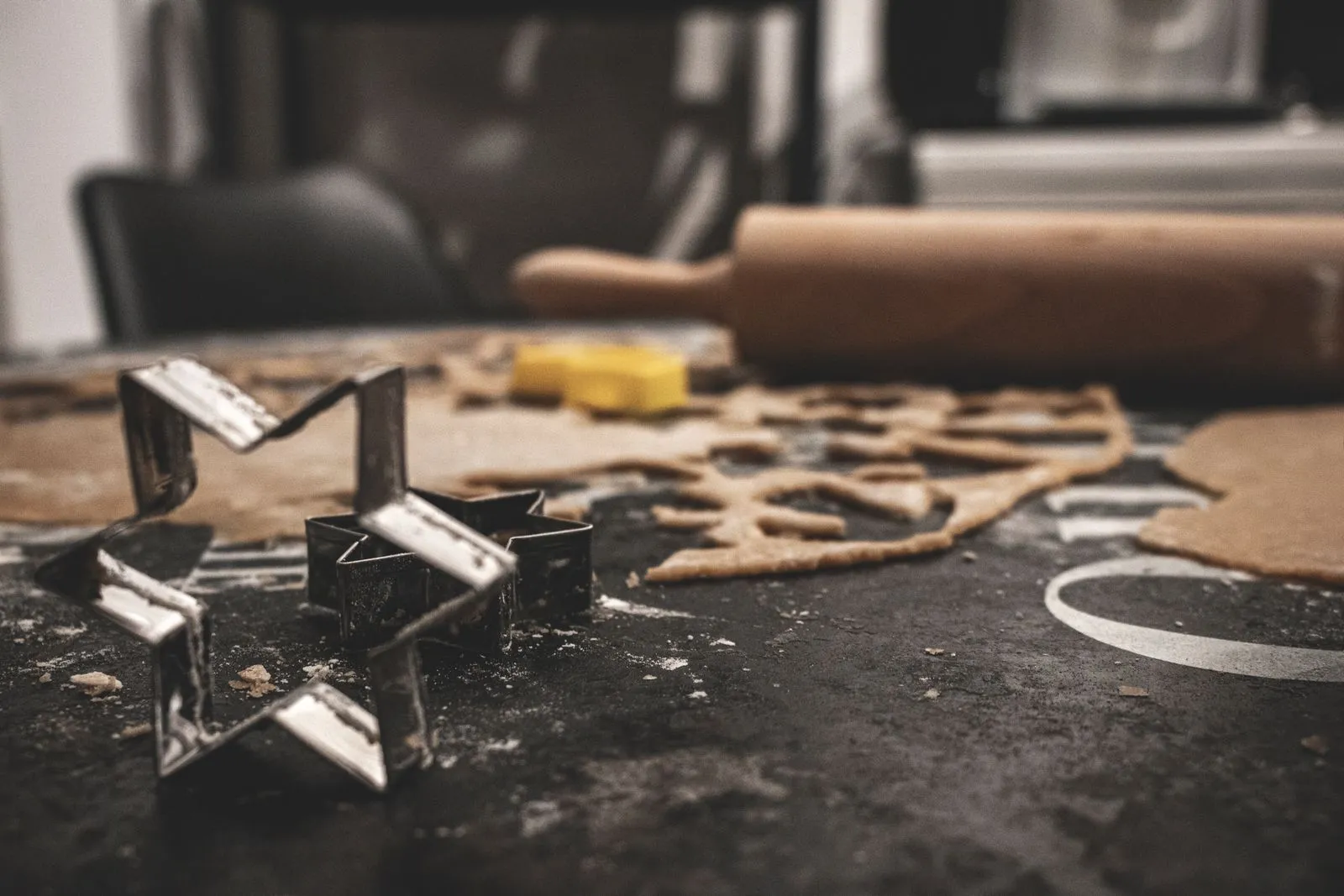
A useful baking setup does not require a crowded drawer or specialty equipment for every recipe. Start with tools that help you measure accurately, mix evenly, and bake with predictable results. A few durable basics will cover many beginner recipes, from cookies and muffins to simple cakes and quick breads. Choose items that feel comfortable to handle, fit your storage space, and are easy to clean. Add specialized tools only when a recipe or baking habit calls for them.
Measure Ingredients Accurately
A digital kitchen scale is one of the most dependable baking tools you can own. Measuring flour and other dry ingredients by weight reduces variation caused by how tightly they settle into a cup. Choose a scale with a clear display and a tare button, which lets you reset the reading between ingredients in the same bowl.
Keep a set of dry measuring cups, liquid measuring cups, and measuring spoons for recipes that use volume. Use dry cups for ingredients such as flour and sugar, and a clear liquid cup for water, milk, or oil. Set the liquid cup on a level surface and read the measurement at eye level. These habits help prevent small measuring errors from affecting a recipe.
Choose Mixing Essentials
A medium and a large mixing bowl handle most home baking tasks. Stainless steel bowls are light and durable, while glass bowls let you see ingredients clearly and can often go in the microwave. Non-slip bases are helpful when whisking or mixing by hand. If cabinet space is limited, choose nesting bowls that store inside one another.
Add a sturdy whisk, a flexible silicone spatula, and a wooden spoon or similar mixing spoon. A whisk combines liquids and loosens dry ingredients, while a spatula scrapes the sides of a bowl and folds delicate mixtures without deflating them. A hand mixer is a useful next step for creaming butter and sugar or whipping ingredients, but beginners can make many recipes with hand tools.
Prepare Pans and Check Doneness
Start with a rimmed baking sheet, a standard muffin pan, and one or two round cake pans if those recipes appeal to you. Light-colored metal pans tend to bake more evenly than very dark pans, which can brown the bottoms faster. Check a pan's dimensions before buying so they match the recipes you plan to follow and fit your oven.
Parchment paper makes it easier to release cookies and other baked goods, while a cooling rack lets air circulate beneath them after baking. An oven thermometer can help you check whether your oven runs hotter or cooler than its setting. Use a toothpick or cake tester to check the center of cakes and muffins, following the recipe's doneness cues rather than relying on appearance alone.
Build Your Kit Gradually
Buy tools for the recipes you expect to make instead of purchasing a large baking set all at once. A bench scraper can help divide dough and clean a work surface, while a rolling pin is useful for pie crusts and cookies. If you do not bake those items often, you can wait before adding either tool to your kitchen.
Before each bake, gather the recipe's ingredients and equipment, then check that your pans and measuring tools are clean and ready. Store frequently used items together so you can reach them easily. Pittsburgh Class Kitchen can help local learners choose practical supplies for a home setup, but a simple, well-chosen collection is enough to get started.
Begin with accurate measuring tools, a few dependable mixing utensils, and pans suited to the recipes you want to bake. Use each tool regularly before deciding what to add next. With a compact setup and careful measuring, you can approach new recipes with confidence. Choose your first tools based on what you are excited to bake.